
1️⃣ Foreign Object Risk Control Upgrade
European Market – Dry Paprika Supply
Background
A European distributor supplying dry paprika to processed meat manufacturers required consistent food safety assurance under strict EU compliance standards.
Incident & Response
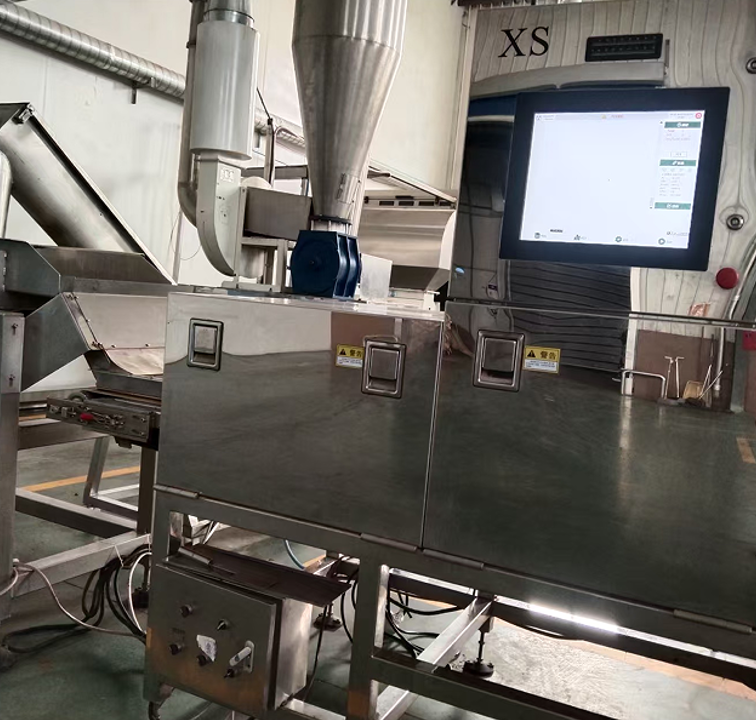
During downstream processing, a foreign object was identified in a retail pack.
Immediate actions taken:
• Full batch traceability verification
• Transparent cooperation with investigation
• Commercial resolution handled promptly
Key Insight
Food safety management is not only about prevention
— it is about response discipline and system improvement.
System Upgrade
Following root cause analysis, we strengthened inspection protocols:
• Dual detection system implemented (Metal Detection + X-ray)
• Reinforced pre-shipment inspection procedure
• Internal risk control documentation updated
Outcome
• No recurrence after system upgrade
• Improved detection confidence for EU-bound shipments
• Strengthened long-term cooperation stability
2️⃣ Moisture & Mold Risk Reduction
United States – High Humidity Risk Areas (Southeast & Gulf Coast)
Background
Certain US regions experience high humidity and temperature fluctuation, increasing mold risk for dried paprika during warehousing and retail distribution.
Challenge
Occasional mold complaints due to:
• Moisture near upper tolerance range
• Extended storage under humid climate
• Temperature variation during logistics
Key Insight
Climate-adapted shipment control is essential for dried vegetable stability.
Control Strategy Implemented
• Raw material selected with stronger color foundation
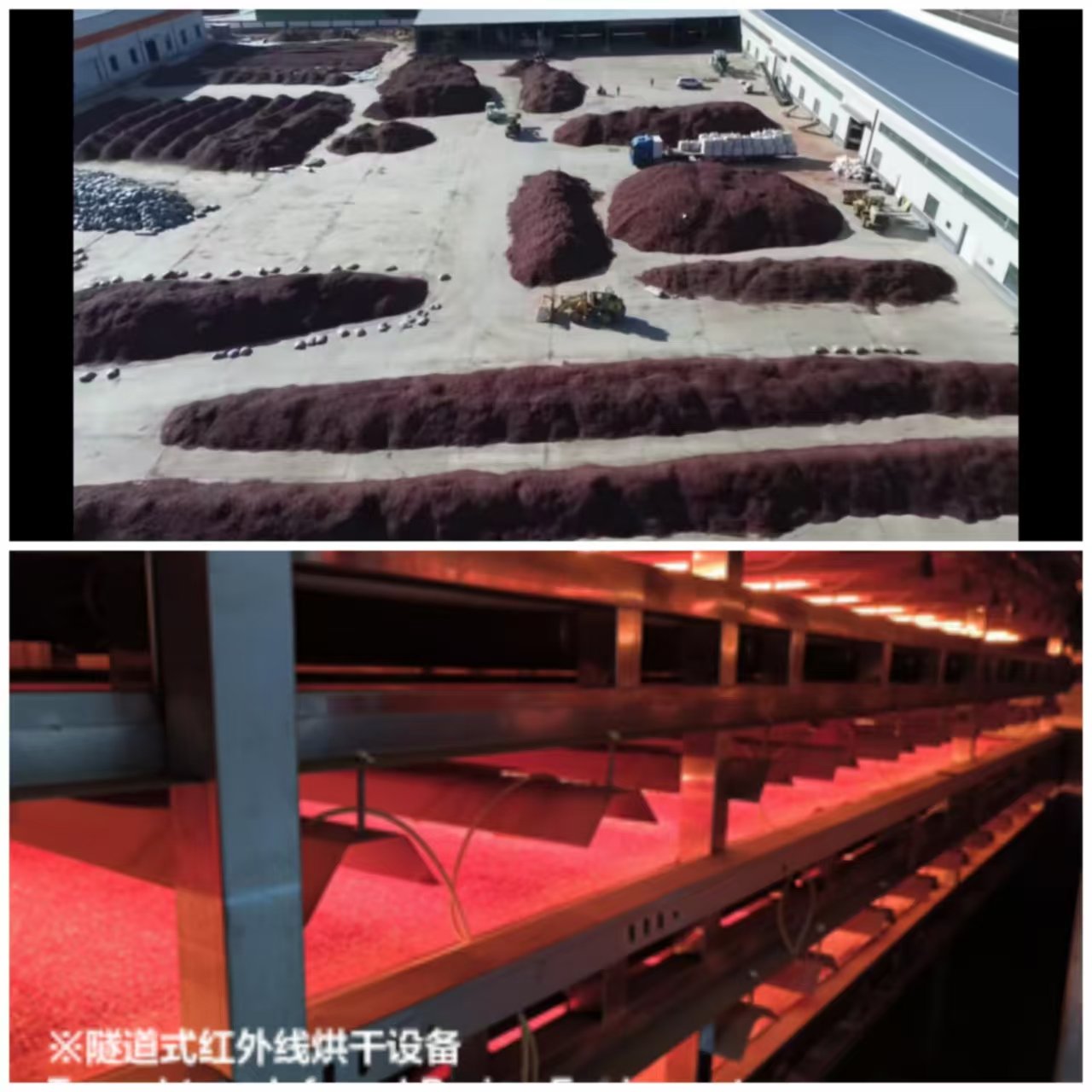
• Dual dry system with Sun-drying + Machine drying
• Cold storage prior to shipment
• Optional cold-chain transport during sensitive seasons
Outcome
• Significant reduction in mold-related issues
• Improved inventory stability in humid markets
• Enhanced distributor confidence
3️⃣ Origin Selection & Regulatory Alignment
Market-Based Raw Material Coordination
Background
Different destination markets operate under varying regulatory standards regarding pesticide residues and heavy metals.
Approach
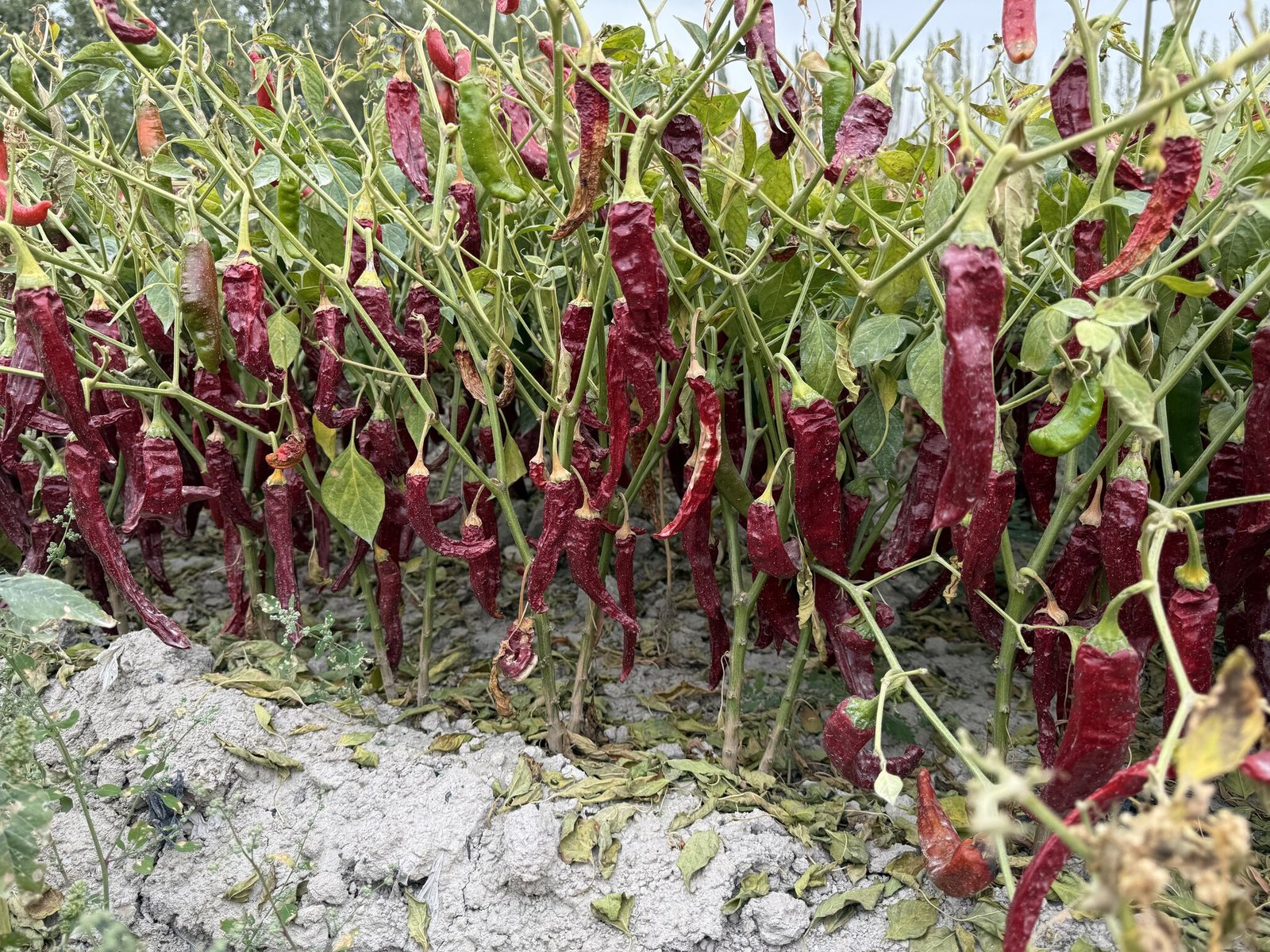
Raw material origin is selected based on market compliance requirements and customer specifications:
• EU shipments – priority regions with strong compliance track record
• US & other markets – origin aligned with cost-performance and product characteristics
Key Insight
Origin coordination is a compliance strategy not just a sourcing decision.
Execution
• Batch-based supplier evaluation
• Pre-shipment compliance testing
• Documentation prepared according to destination regulations
Outcome
• Regulatory alignment without supply disruption
• Stable multi-market shipment coordination